The short note
A listing advertises $3,800 a month. That feels manageable until separate building charges appear in the proposal. First establish what the advertised figure covers. One rent number cannot stand in for every monthly expense.
What to check
- Payments to the landlord: request the breakdown of base rent and additional charges. CAM refers to common-area maintenance, but your lease defines what is included.
- Direct accounts: establish who opens the electricity, gas, water and internet accounts. Mark an already-included charge as included.
- Fixed or estimated: distinguish fixed charges, usage-based bills and estimates reconciled later. Historical bills are a reference, not your future bill.
- One-time or recurring: put deposits and setup fees in startup cash needs. Track recurring business insurance and operating expenses separately from building charges.
Why it matters
In an illustrative comparison, $3,800 base rent plus $900 in separate building charges totals $4,700 before utilities not included in those charges. Adding something already inside the $900 again would overstate the budget.
Do not assume NNN and CAM labels necessarily represent two separate amounts to add. Compare their underlying items. NYC’s leasing guide also recommends obtaining estimates for charges beyond base rent.
Reference: NYC Small Business Services — base and additional rent
Questions to ask
Ask the landlord or property manager
- Please separate included charges from amounts I pay separately.
- Is this additional charge fixed or estimated? How often is it reconciled, and what supports the calculation?
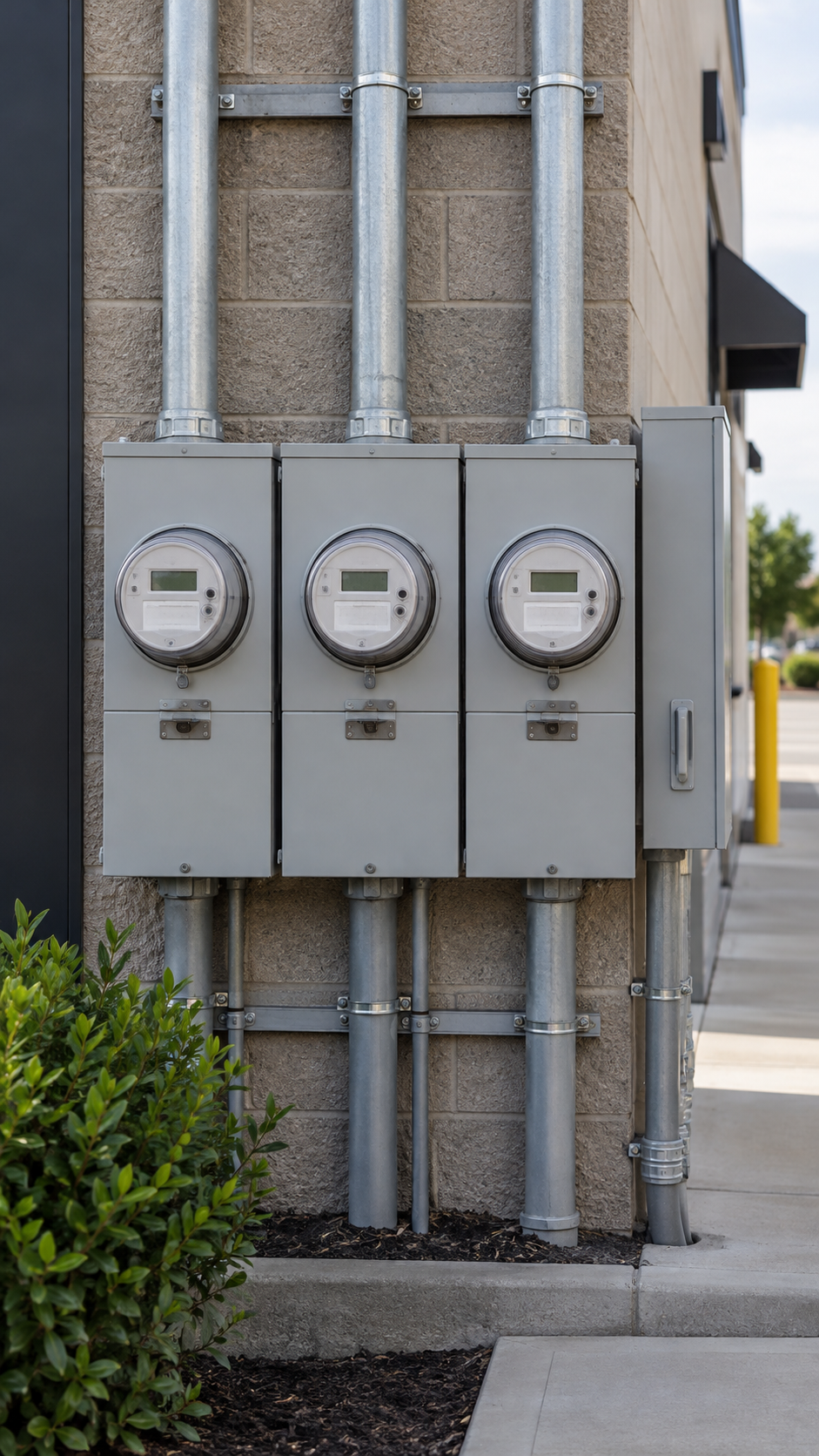
- How are electricity, gas and water metered and billed?
Before you sign
Mark which common-area maintenance charges (CAM), taxes and insurance already appear in the landlord’s total. Put utilities you pay directly beside them. For any unknown amount, write down whom to ask. Compare the next property using the same categories.