
Note · 3 min read
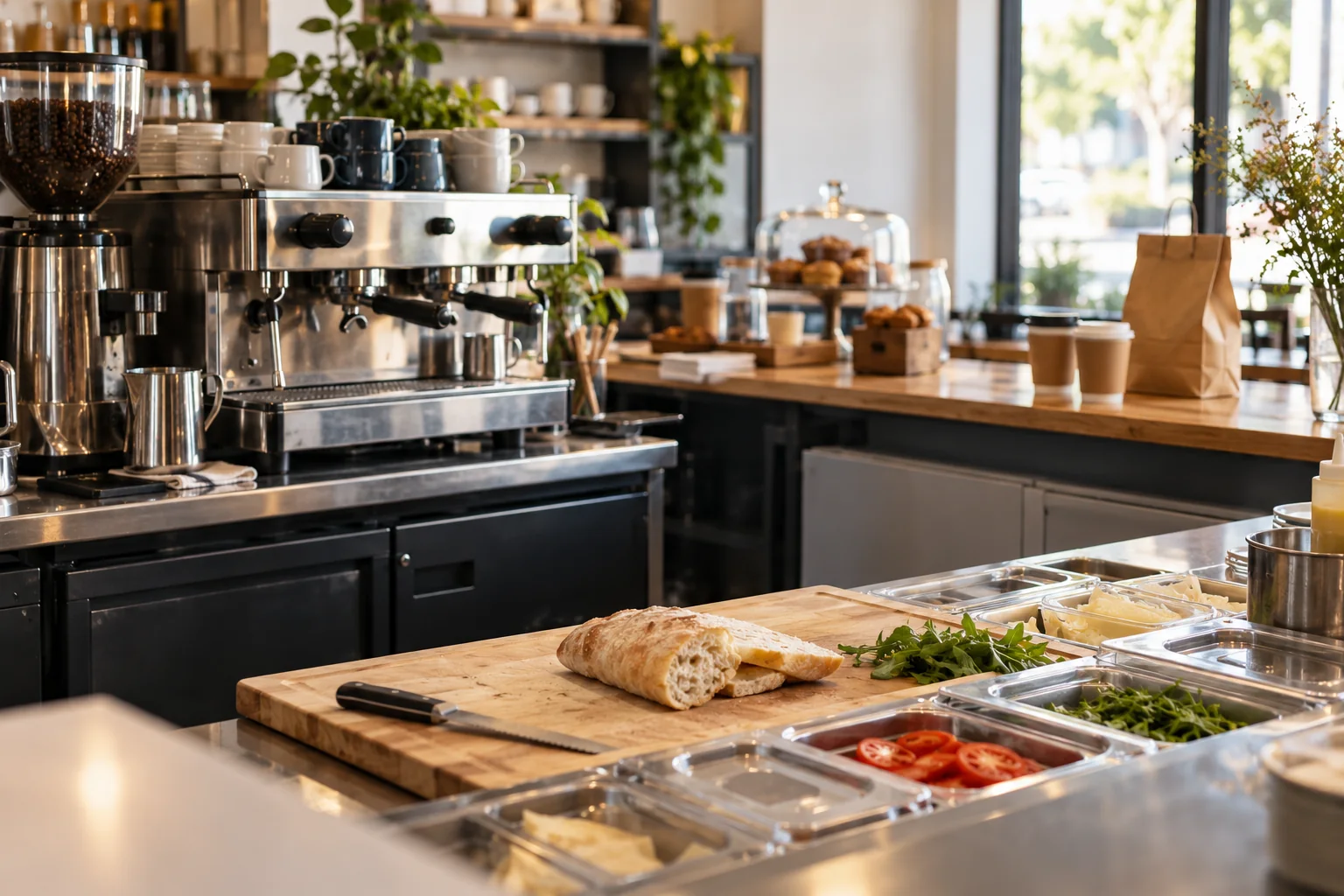
What can one sandwich tell you about the space you need?
Two cafés can sell the same sandwich and need different kitchens. Follow one menu item from delivery to cleanup to explain how yours will work.
Field notes
Choose the stage you’re working on. Each note starts with a situation you might face and gives you a question to take to the right person.
Note · 3 min read
Two cafés can sell the same sandwich and need different kitchens. Follow one menu item from delivery to cleanup to explain how yours will work.
Note · 3 min read
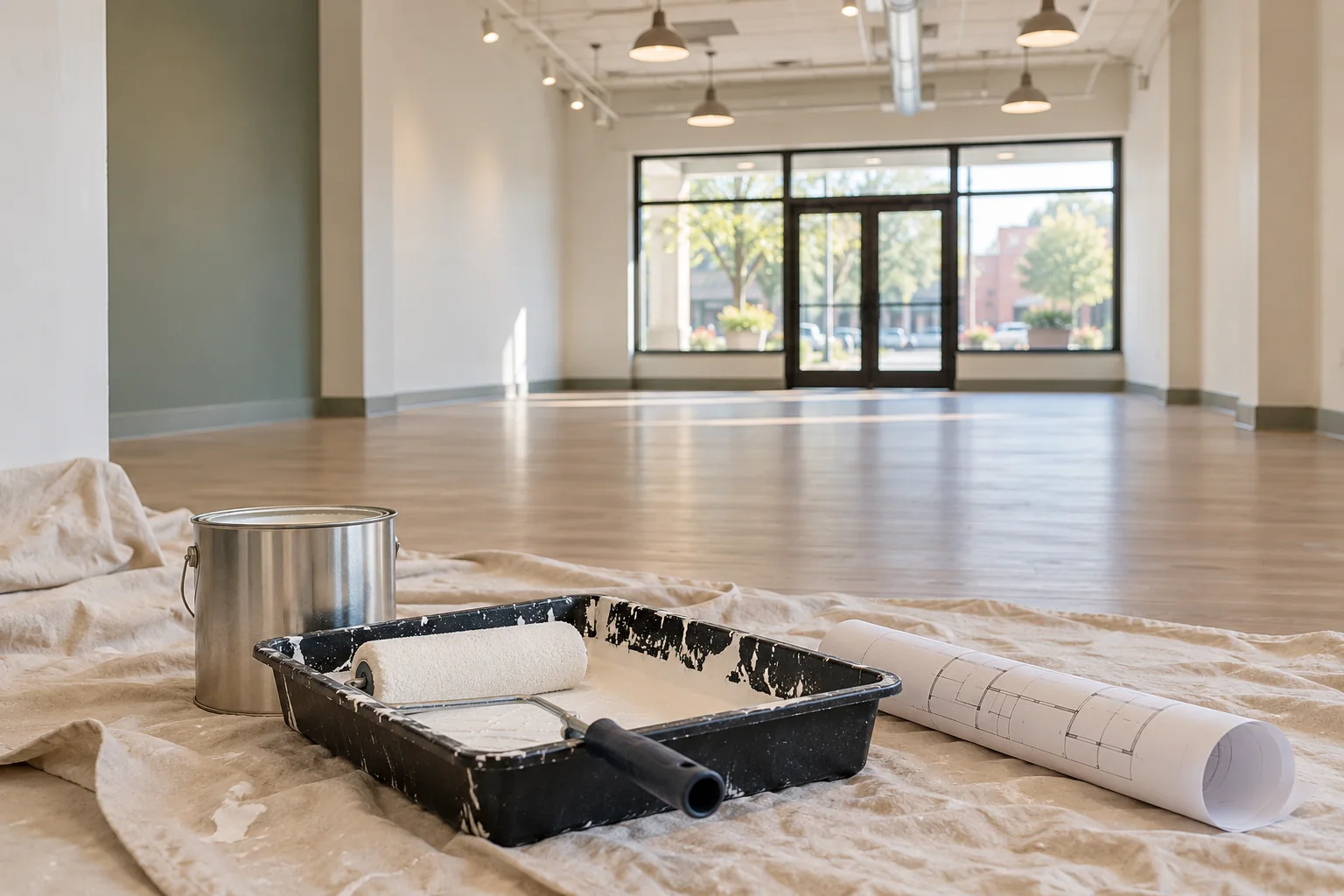
You may keep the walls and floors while changing a shop into a café with food prep and seating. Give the local office the suite address, former use and proposed operation.

Note · 4 min read
When someone says you can open a restaurant here, what have they actually confirmed? Separate the lease terms, local approvals, building rules and the fit for your equipment.
Note · 5 min read
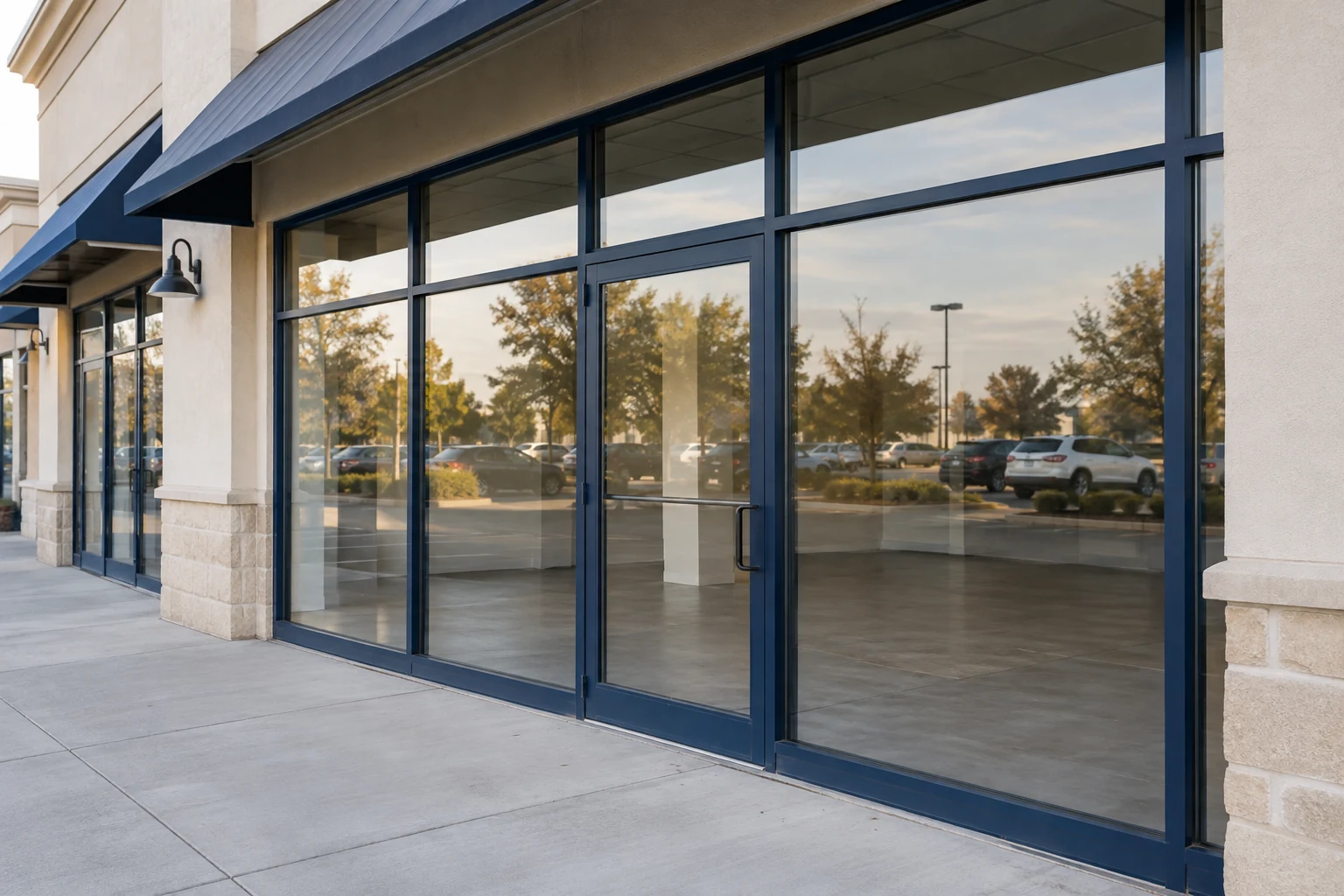
A menu change can affect the utilities, the construction budget and how long you pay rent before opening. Work through five questions for one candidate space.
Note · 5 min read
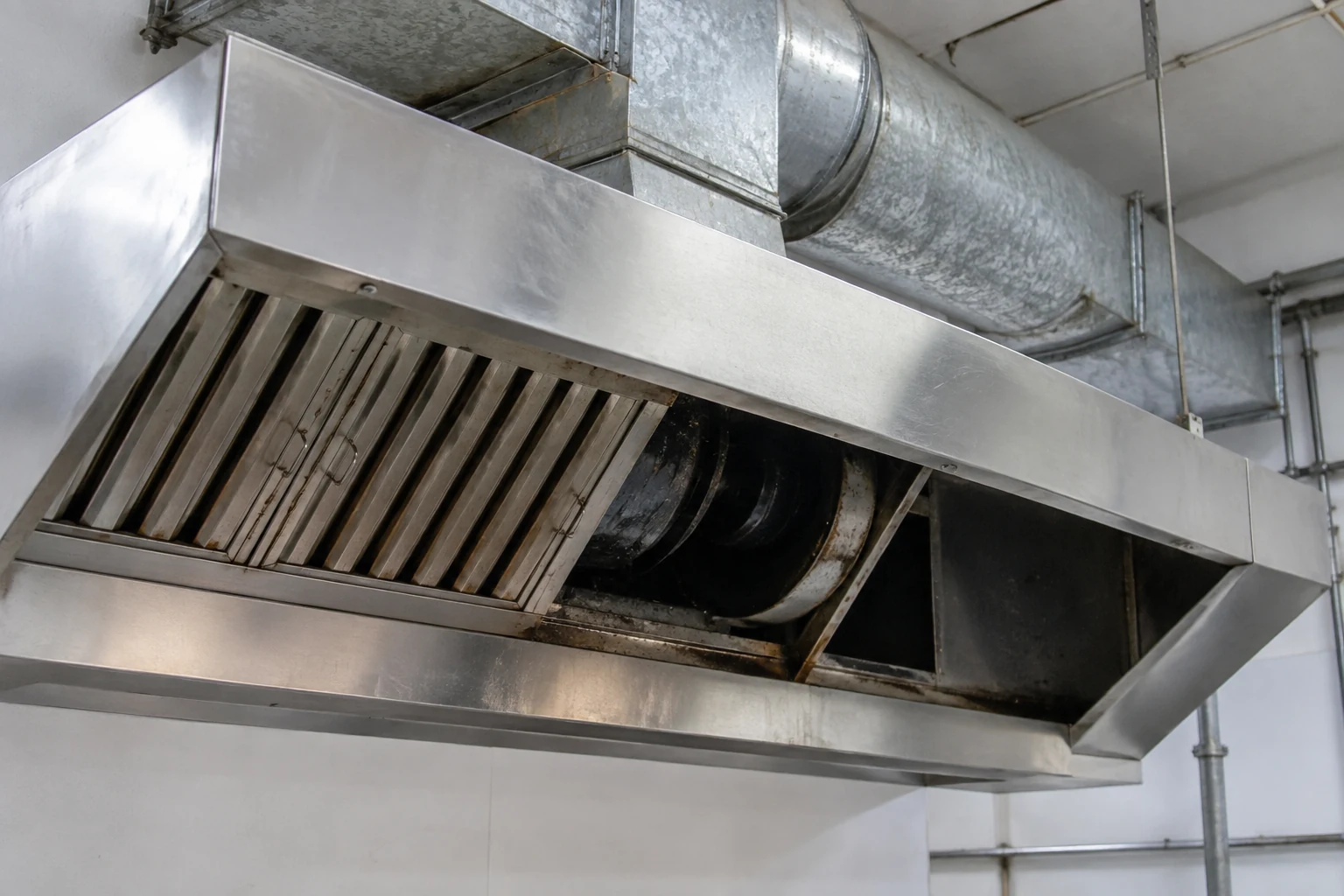
A hood and walk-in cooler are still in the space. Find out what comes with the lease, what fits your menu and what it would cost to restore the space after changes.
Note · 4 min read
Signing, receiving the space and starting a rent concession can happen on different dates. Match the lease triggers to your buildout calendar.
Note · 4 min read
Separate base rent, building charges and direct bills. Avoid double-counting included costs or treating an unknown amount as zero.
Note · 3 min read
The equipment deposit and a construction payment may fall in the same week. Check the balance on each due date, especially if your landlord reimburses you later.
Note · 3 min read
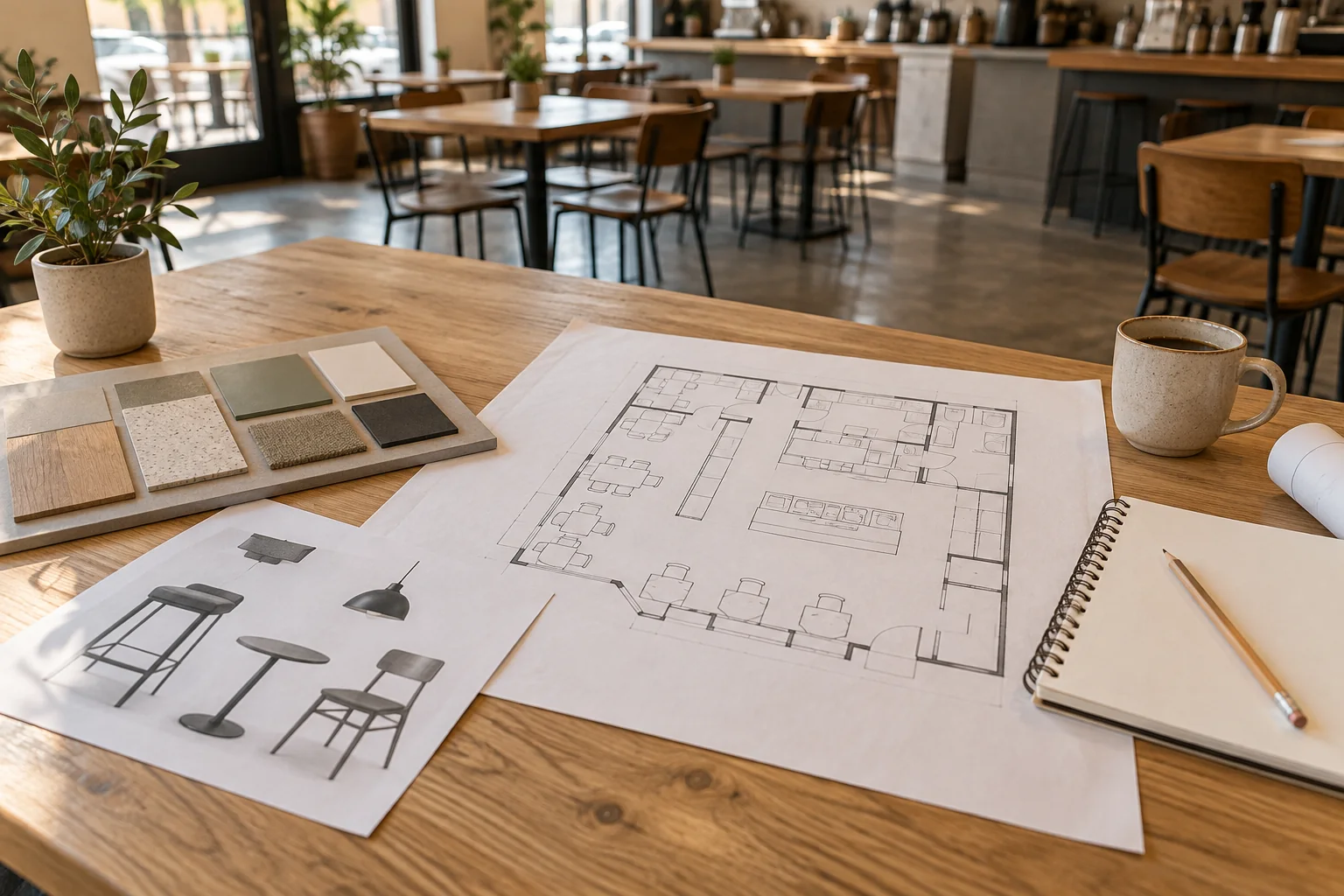
Bring the look you like, the menu you plan to serve and the models you are considering. Mark open choices so the designer can tell you which decisions affect the layout first.
Note · 3 min read
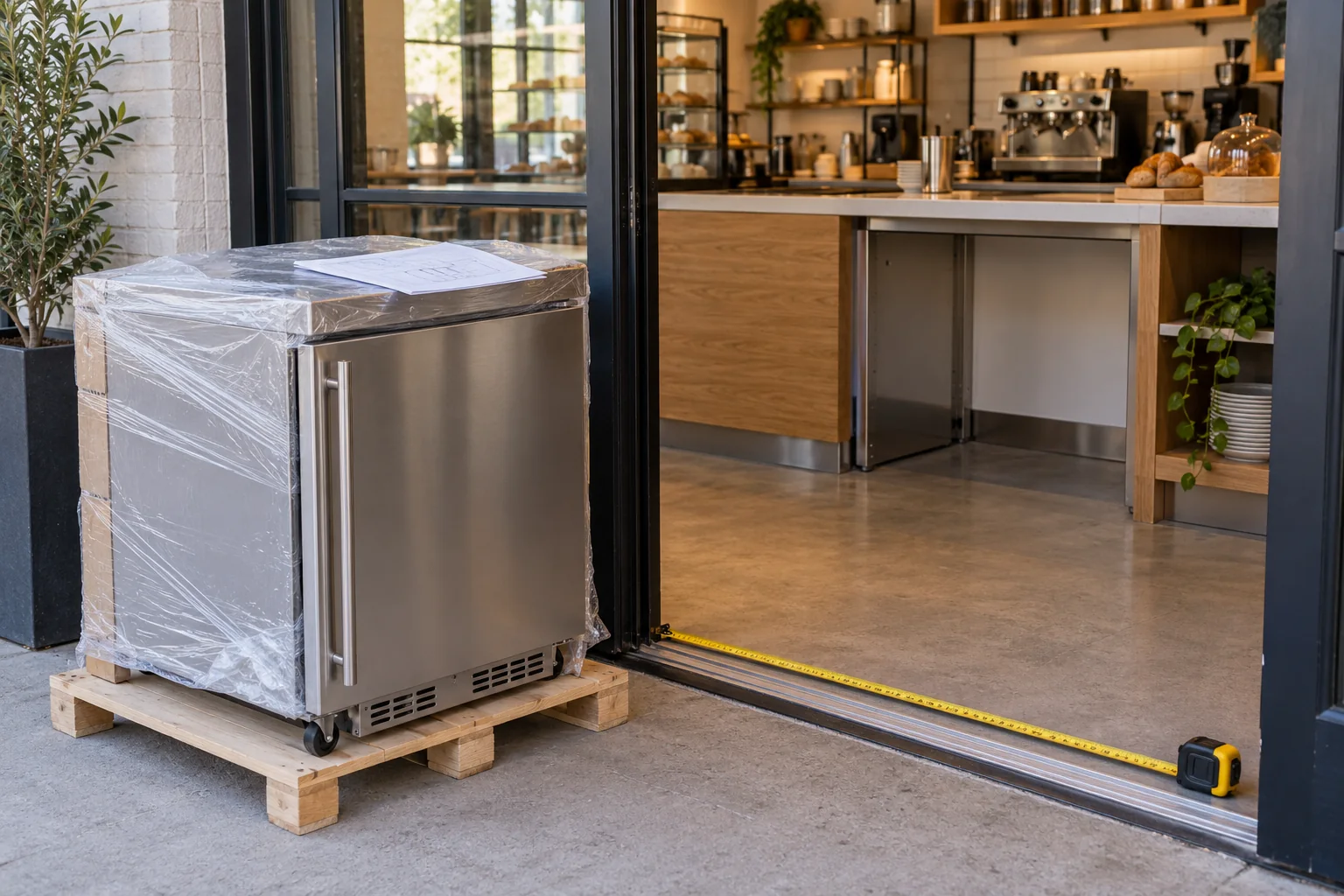
Check more than the width. Use the exact model and installation manual to ask about connections, service clearance and what the delivery crew will do.
Note · 4 min read
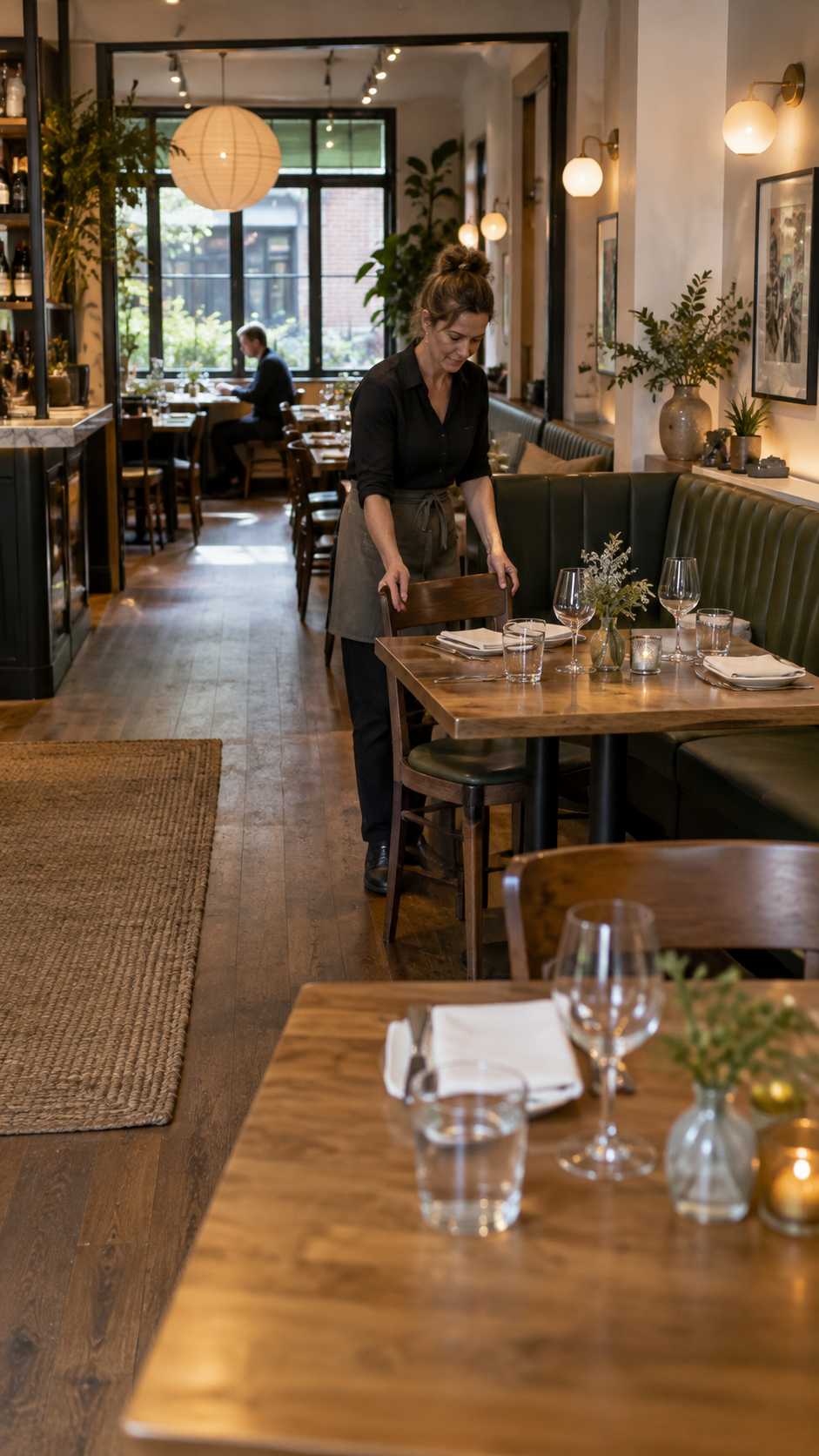
Equipment can fit on a plan while open doors and busy staff compete for space. Walk your designer through how the kitchen will actually work.
Note · 4 min read
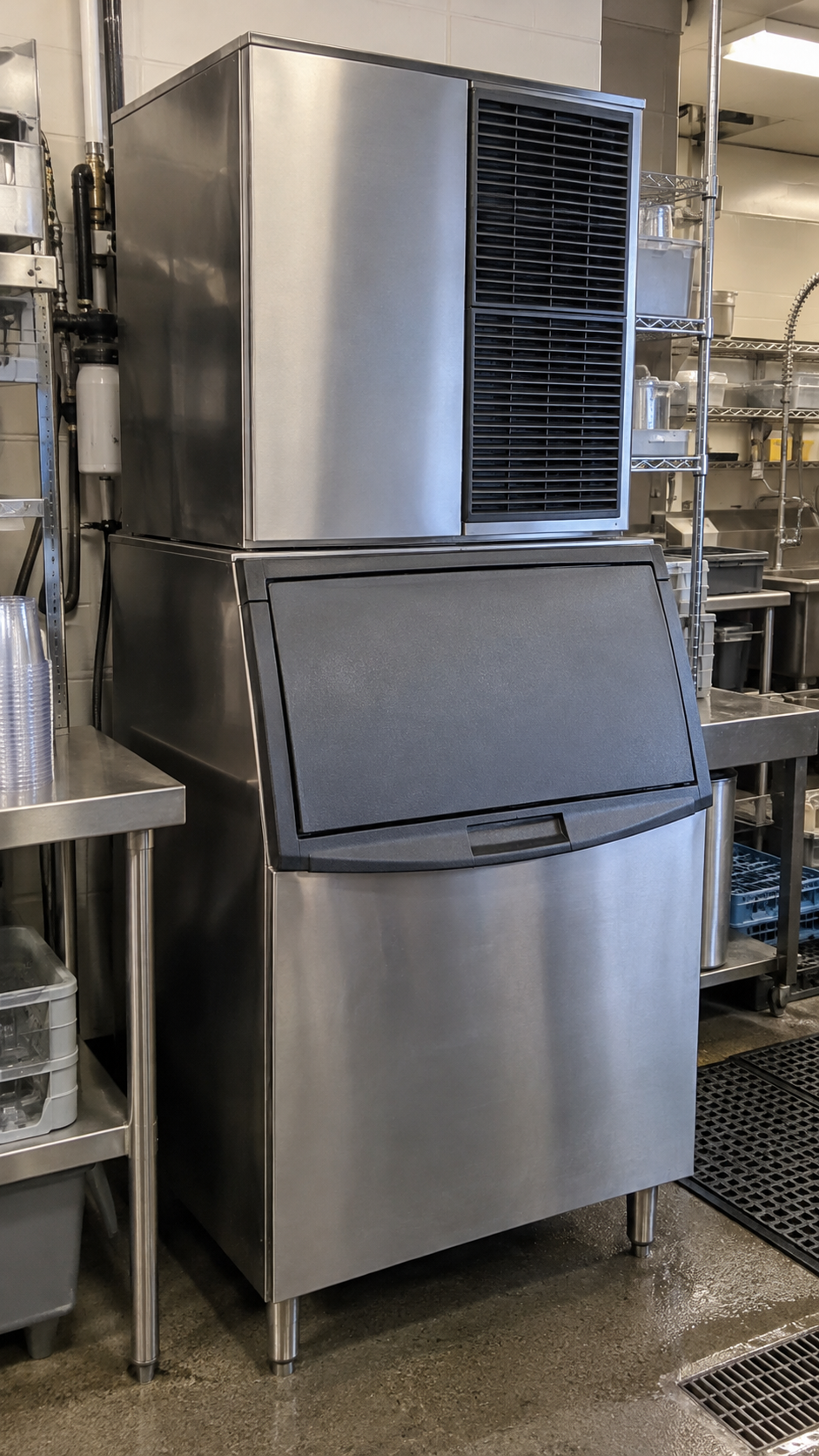
A nearby drain does not establish a suitable connection. Review the new location, equipment model and completed work before moving the machine.
Note · 4 min read
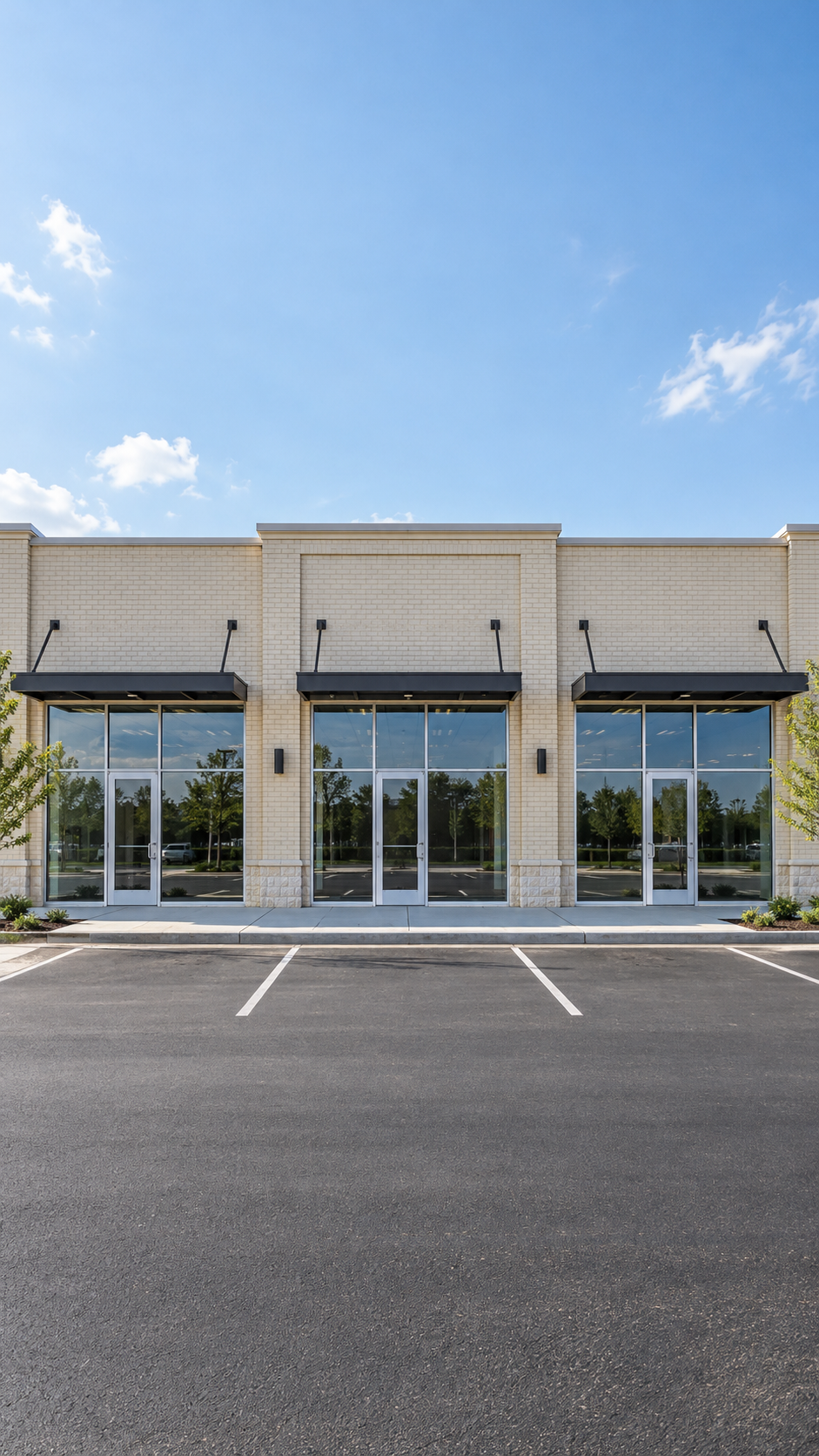
Check the delivery route separately from the installation footprint. Record packed dimensions, entry openings, turns and the final location.
Note · 3 min read
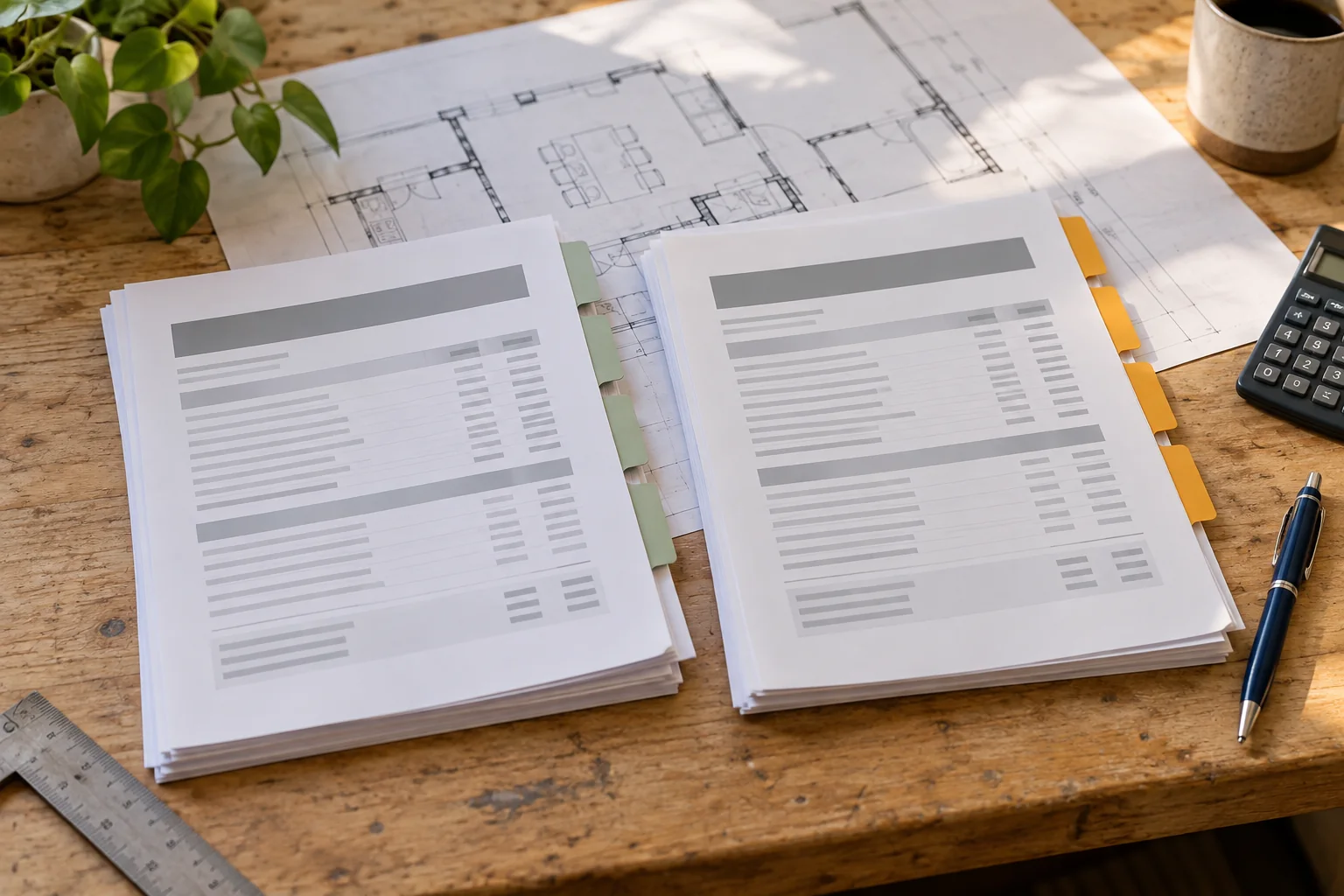
One bid includes restoring the floor after the pipes go in. The other mentions only the plumbing. Ask both contractors where their work ends before comparing prices.
Note · 4 min read
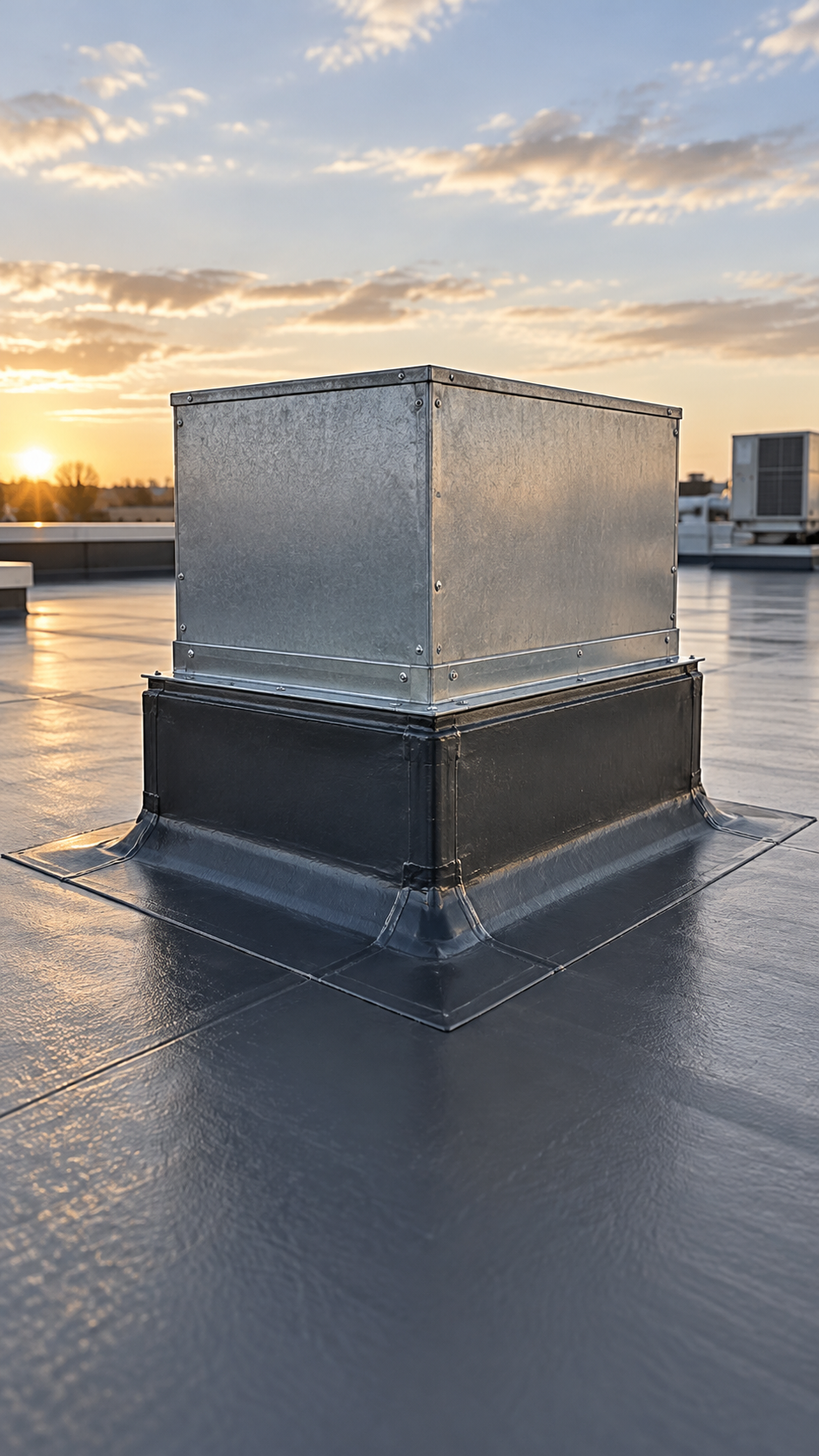
Clarify scope, quote approval, payment and scheduling when the landlord requires a particular contractor. Keep the handoff between teams explicit.
Note · 4 min read
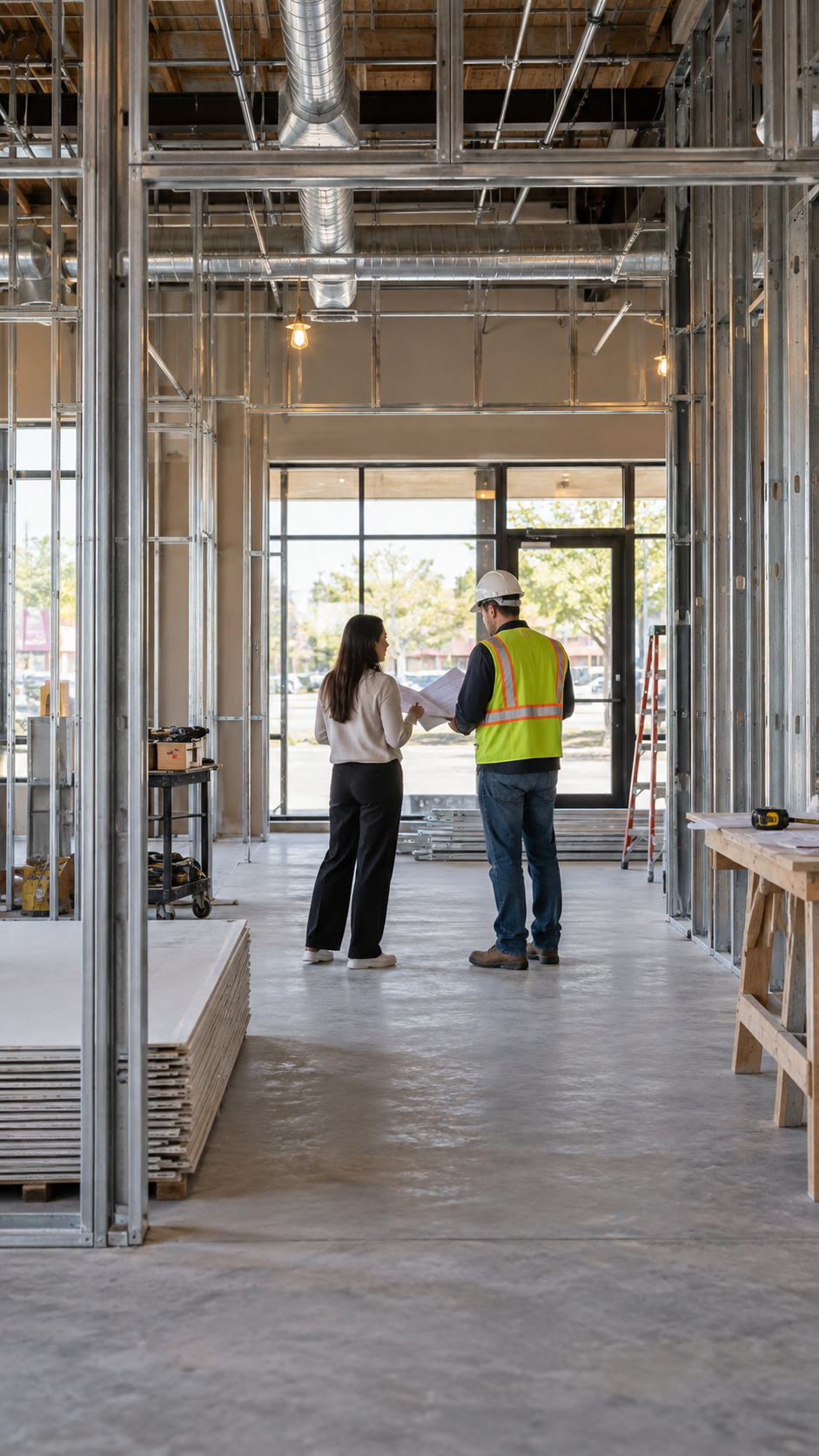
Agree on checkpoints with the construction lead. Track completed work, upcoming work and owner decisions without taking over trade supervision.
Note · 4 min read
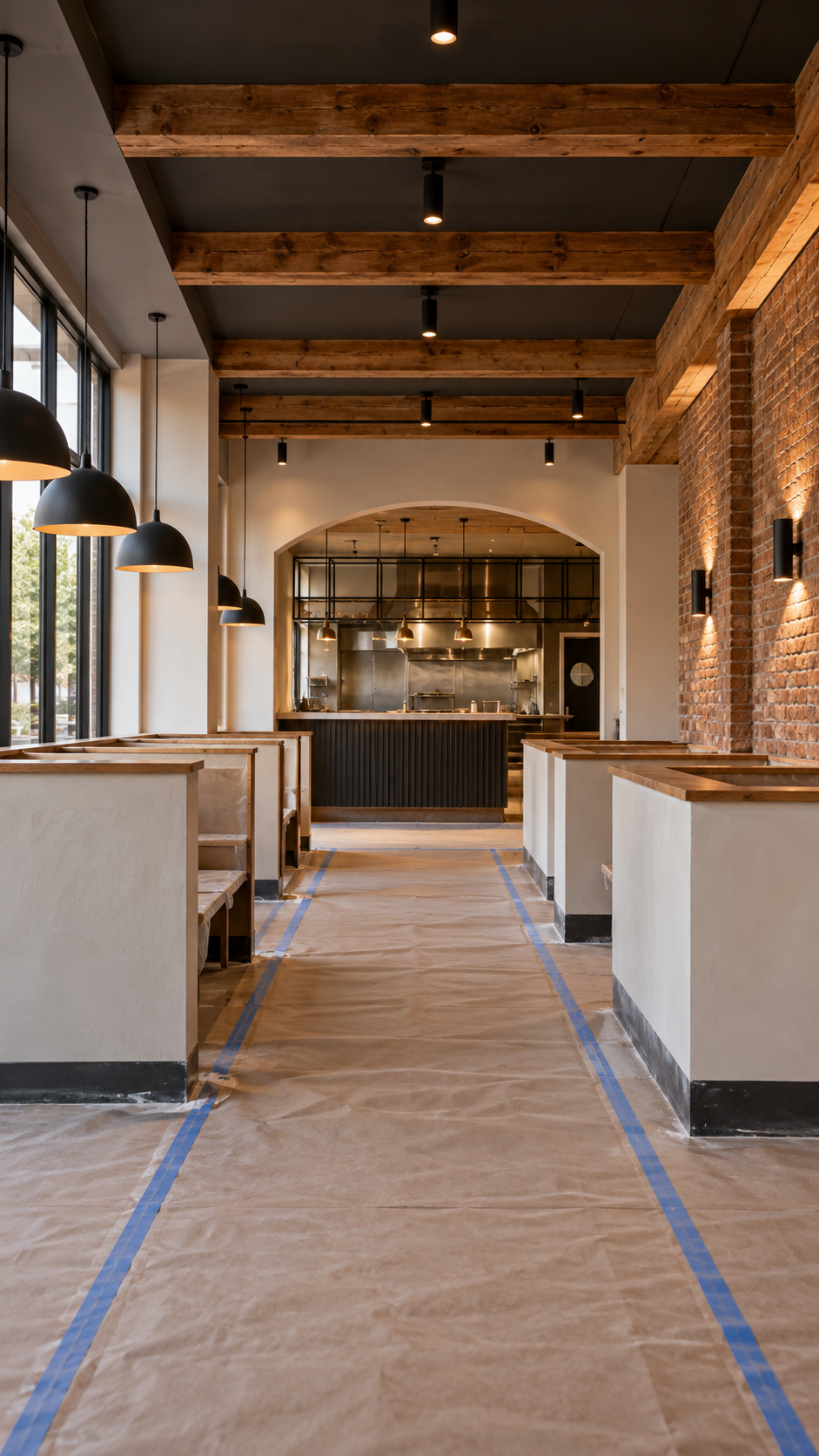
Match the supplier’s delivery date to the site’s readiness. Agree what can arrive, where it can go and who will receive it.
Note · 4 min read
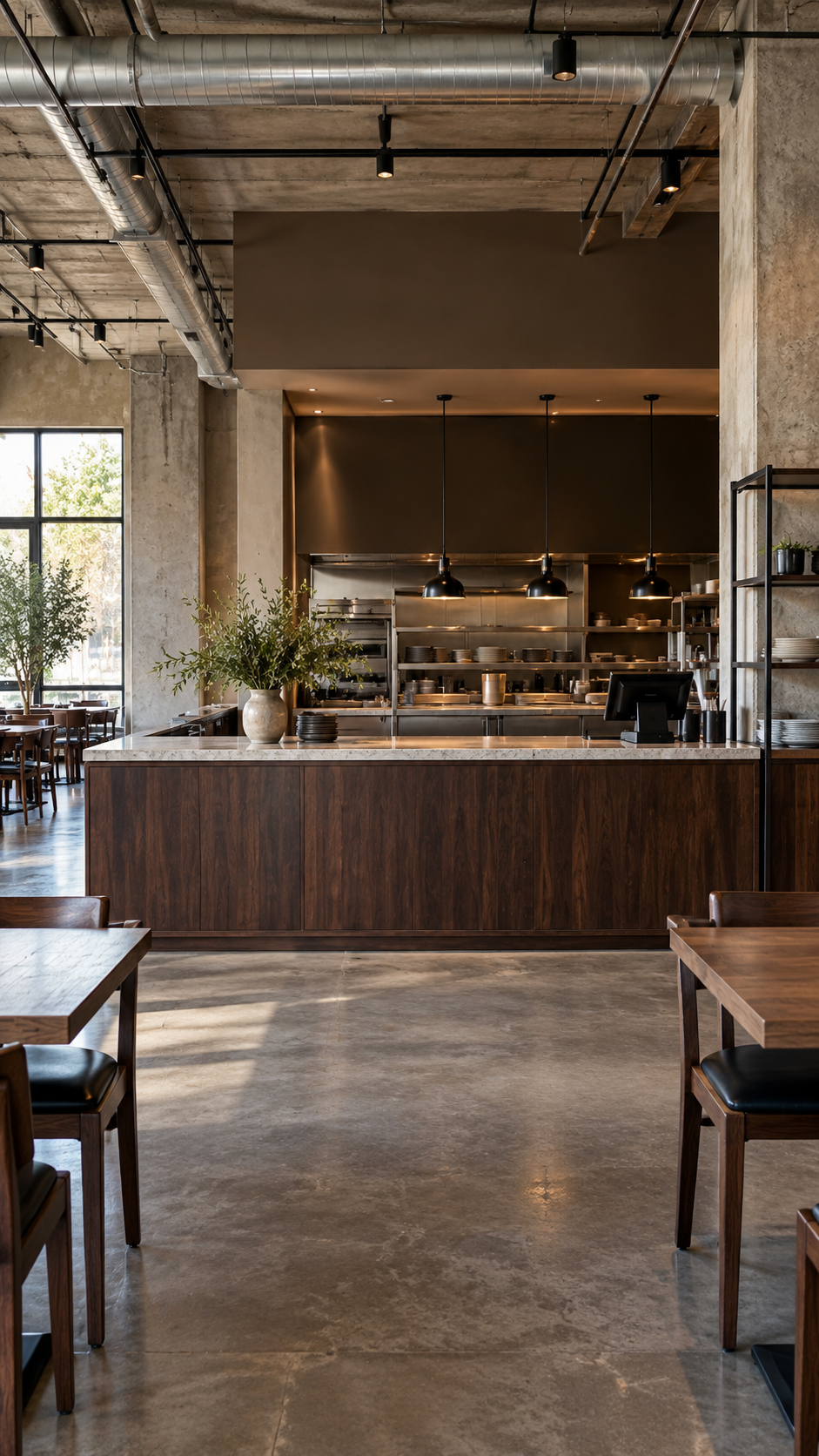
Show added and removed work in the same change record. Separate proposed amounts from approvals, and track the net price and schedule effect.

Note · 4 min read
Compare each request with the payment terms, supporting records and prior payments. Distinguish advances, progress billing and material charges.
Note · 3 min read
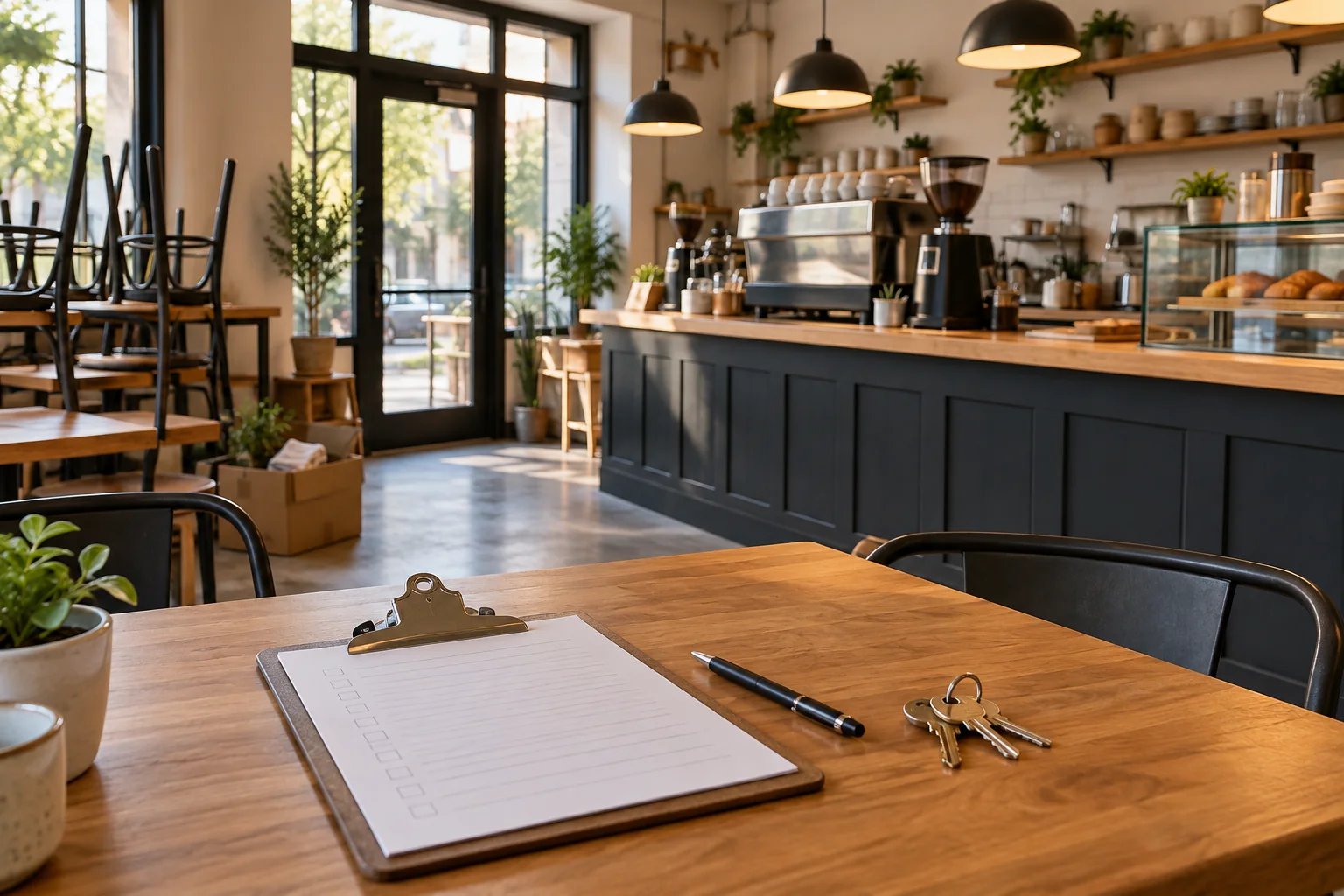
Track inspection dates, results and issued documents separately. Find out who can confirm occupancy and who can confirm that you may serve food.
Note · 4 min read
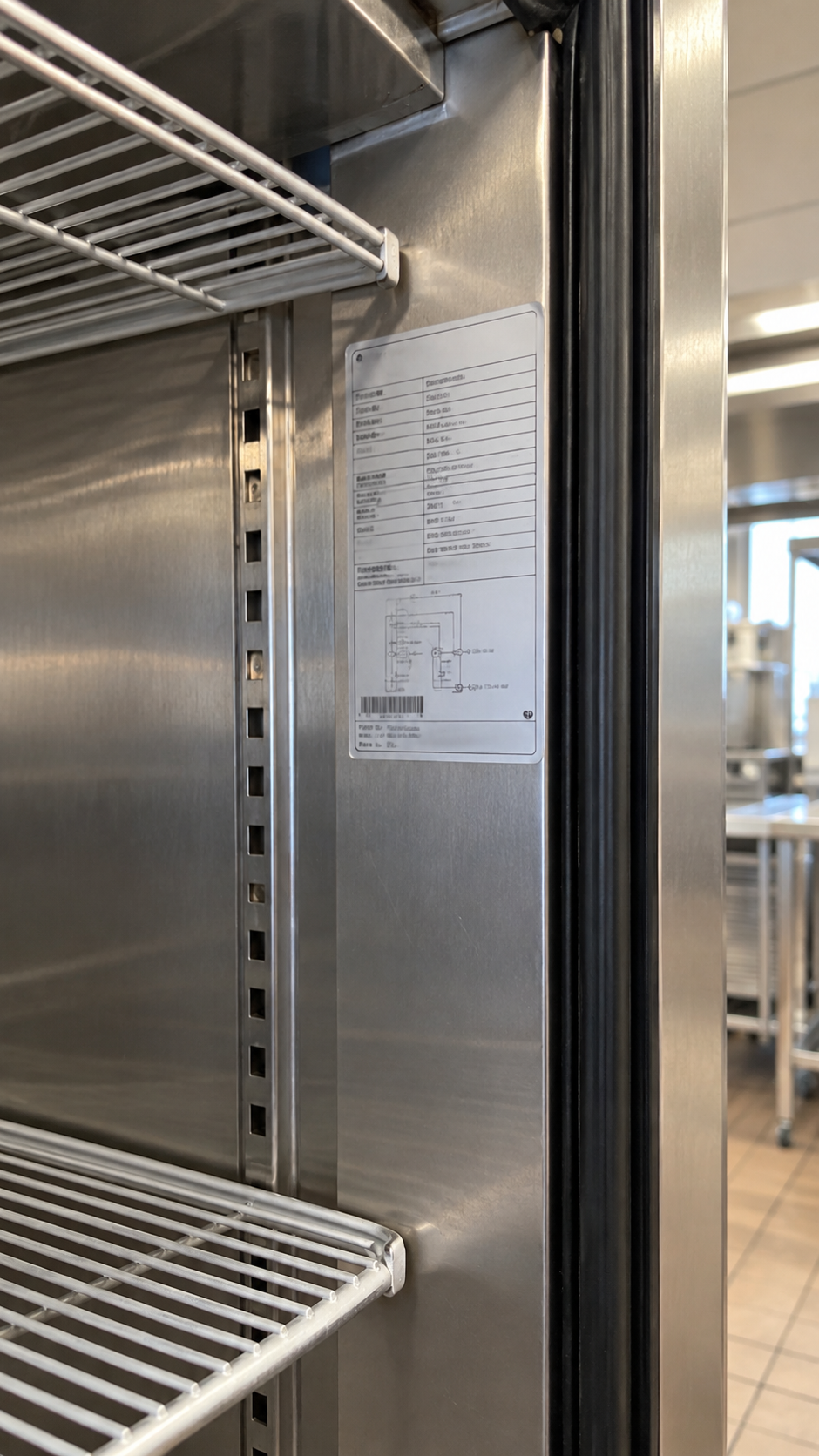
The remaining term and coverage for this failure are separate checks. Confirm the claim process, visit or diagnostic charges and approval for paid work.
One short suggestion is enough. Prepare your message below, then review and send it in your email app.